
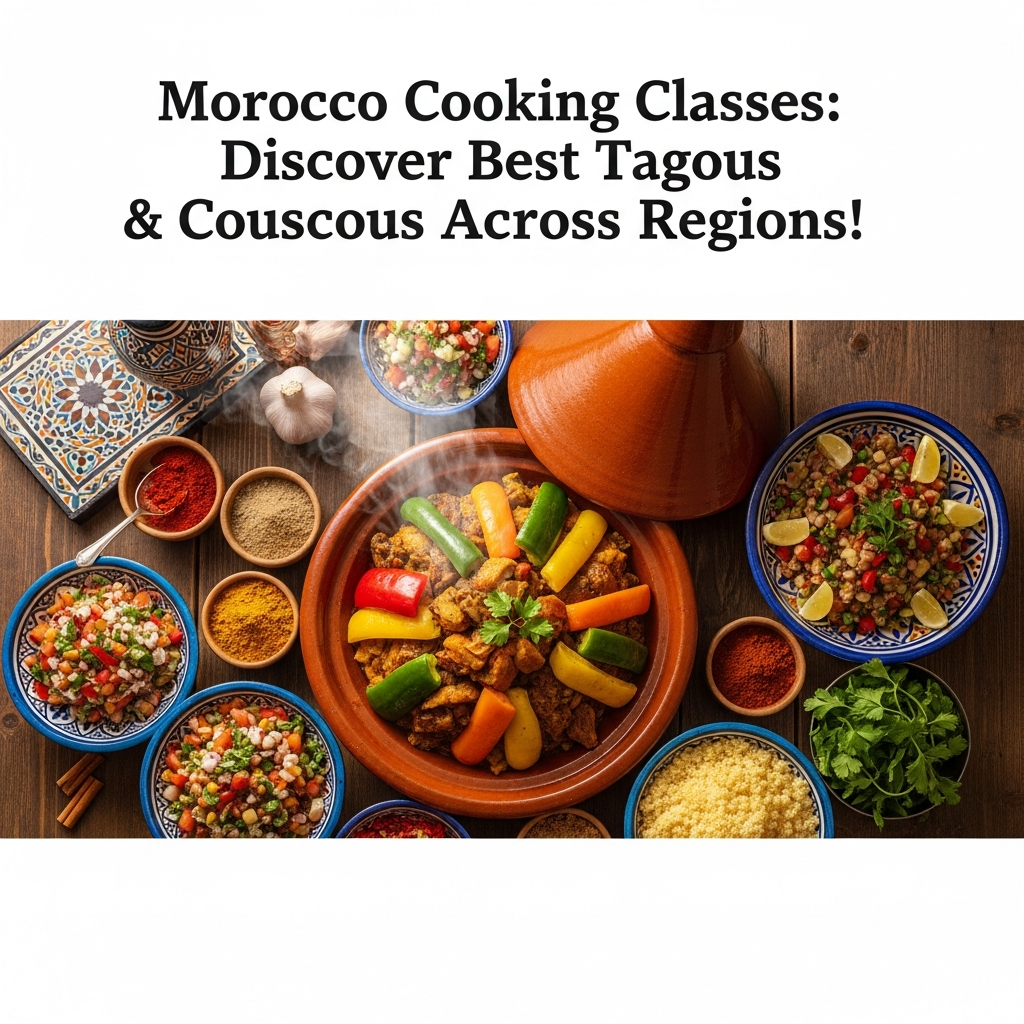

Morocco Cooking Classes: Discover Best Tagine & Couscous Across Regions!
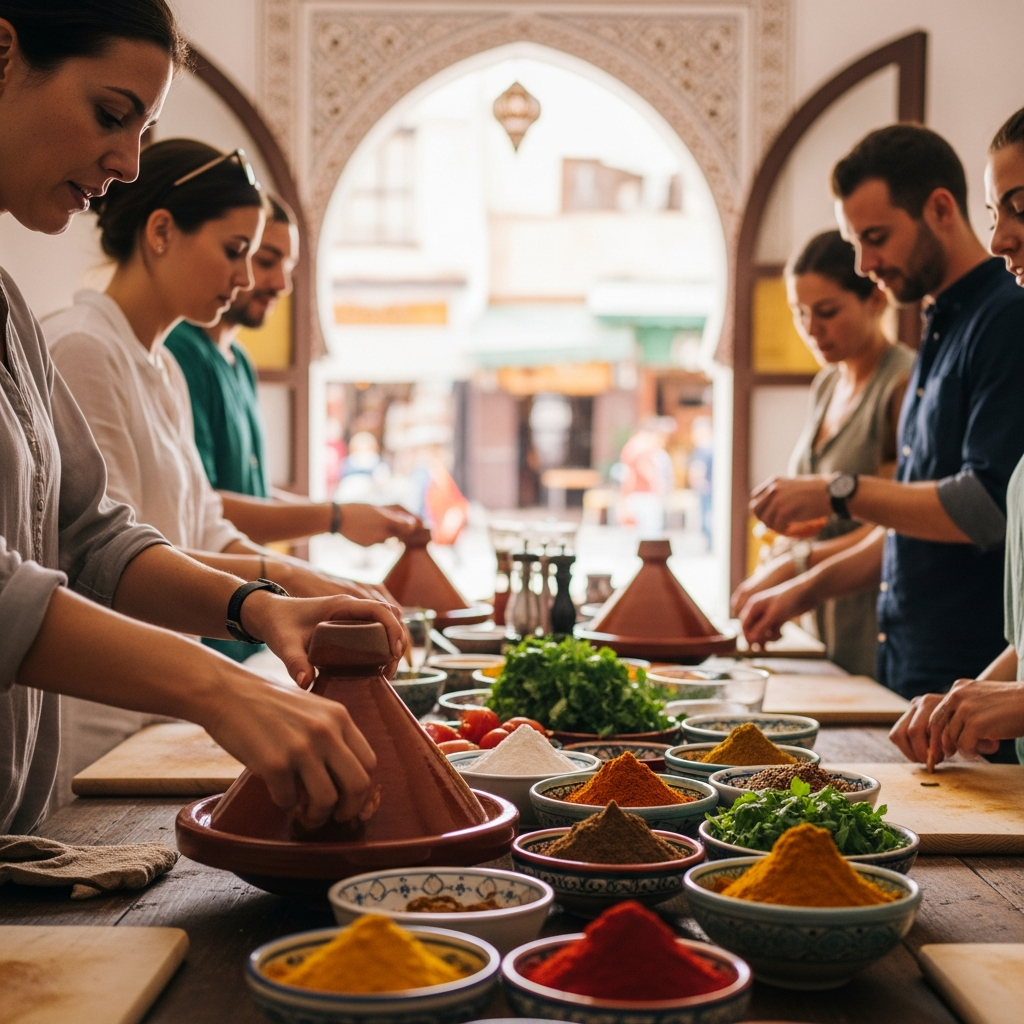
- Morocco Cooking Classes: Discover Best Tagine & Couscous Across Regions!
- A Culinary Journey Through Morocco
- Why Choose a Morocco Cooking Class?
- Exploring Morocco’s Regional Culinary Delights
- Tagine and Couscous: Mastering the Moroccan Classics
- Choosing the Right Morocco Cooking Class
- Beyond Tagine and Couscous: Expanding Your Culinary Horizons
- Taking Your Moroccan Culinary Skills Home
Morocco cooking classes offer a vibrant and immersive experience, unlocking the secrets of one of the world’s most celebrated cuisines. Beyond simply learning recipes, these classes provide a cultural journey, allowing you to connect with the heart of Moroccan hospitality and understand the history and traditions behind each dish. From the bustling souks where you’ll source fresh ingredients to the cozy riads where you’ll learn alongside local chefs, a Moroccan cooking class is an unforgettable adventure for any food lover. This article delves into the best experiences across Morocco, focusing on the iconic tagine and couscous, and guiding you on how to choose the perfect class for your culinary aspirations.
A Culinary Journey Through Morocco
Moroccan cuisine is a tapestry woven with Berber, Arab, Andalusian, and Mediterranean influences. This fusion of flavors, techniques, and ingredients has resulted in a distinctive culinary heritage that is both complex and comforting. Spices play a central role, with ras el hanout, cumin, ginger, turmeric, and paprika being staples. The skillful use of these spices, combined with fresh herbs like cilantro, parsley, and mint, creates a symphony of aromas and tastes that define Moroccan dishes.
Tagine, a slow-cooked stew named after the earthenware pot it’s traditionally cooked in, and couscous, steamed semolina served with a flavorful broth and vegetables (and often meat), are arguably the two most representative dishes of Morocco. Each region boasts its own unique variations of these classics, reflecting the local ingredients and culinary traditions.
Why Choose a Morocco Cooking Class?
Beyond simply following a recipe, participating in Morocco cooking classes offers a plethora of benefits:
Authentic Experience: Learn directly from local chefs, often in their homes or traditional riads, gaining insights into family recipes and culinary secrets passed down through generations.
Ingredient Sourcing: Many classes include a visit to local souks (markets) where you’ll learn to identify and select the freshest ingredients, from spices and herbs to vegetables and meats. This hands-on experience is invaluable for understanding the quality and nuances of Moroccan cuisine.
Cultural Immersion: Cooking is deeply intertwined with Moroccan culture. You’ll learn about the history and traditions behind each dish, gaining a deeper appreciation for the country’s rich heritage.
Hands-On Learning: Most classes emphasize hands-on participation, allowing you to actively prepare and cook each dish under the guidance of an experienced chef.
Taste the Results: Of course, the best part of any cooking class is enjoying the fruits of your labor. You’ll savor the delicious dishes you’ve created, often accompanied by traditional Moroccan tea and hospitality.
Take Home Recipes: You’ll receive detailed recipes to recreate the dishes you’ve learned at home, allowing you to share the flavors of Morocco with your friends and family.
Exploring Morocco’s Regional Culinary Delights
Morocco’s diverse geography and cultural influences have led to distinct regional variations in its cuisine. Here’s a glimpse into some of the culinary highlights you can explore through cooking classes across the country:
Marrakech: Known for its bustling souks and vibrant street food scene, Marrakech is a great place to learn about classic Moroccan dishes like tagine with preserved lemons and olives, tanjia (a slow-cooked meat dish unique to Marrakech), and harira soup (a hearty tomato-based soup often served during Ramadan).
Fez: Considered the culinary capital of Morocco, Fez is renowned for its refined cuisine and intricate dishes. Look for cooking classes that focus on dishes like pastilla (a sweet and savory pie filled with pigeon or chicken), rfissa (chicken and lentils served on a bed of shredded crepe), and tagine with quince and prunes.
Essaouira: Located on the Atlantic coast, Essaouira boasts a rich seafood heritage. Cooking classes here often feature fresh catches from the sea, such as grilled sardines, tagine with seafood, and seafood pastilla.
Chefchaouen: Nestled in the Rif Mountains, Chefchaouen offers a unique Berber-influenced cuisine. Look for cooking classes that incorporate local ingredients like goat cheese, mountain herbs, and figs, and focus on dishes like tagine with goat meat and vegetables.
The Sahara Desert: While cooking classes might be less common in the Sahara, some desert camps offer demonstrations of traditional Berber cooking techniques, such as cooking bread in the sand or preparing tagine over a fire.
Tagine and Couscous: Mastering the Moroccan Classics
No culinary journey through Morocco is complete without mastering the art of tagine and couscous. Here’s what you can expect to learn in a cooking class focused on these iconic dishes:
Tagine: You’ll learn how to choose the right tagine pot, select the freshest ingredients, and expertly balance the spices to create a flavorful and aromatic stew. You’ll also explore different variations of tagine, such as chicken tagine with preserved lemons and olives, lamb tagine with prunes and almonds, and vegetable tagine.
Couscous: You’ll learn the traditional method of steaming couscous, which involves repeatedly steaming the semolina over a pot of broth to achieve a light and fluffy texture. You’ll also learn how to prepare the accompanying broth, which typically includes meat (such as lamb or chicken) and a variety of vegetables, such as carrots, turnips, and zucchini.
Choosing the Right Morocco Cooking Class
With a wide array of options available, selecting the right Morocco cooking classes can feel overwhelming. Here are some factors to consider:
Location: Choose a location that aligns with your travel itinerary and interests. Do you want to explore the bustling souks of Marrakech, delve into the refined cuisine of Fez, or learn about seafood dishes in Essaouira?
Focus: Determine what types of dishes you want to learn. Are you interested in mastering tagine and couscous, exploring regional specialties, or focusing on vegetarian options?
Class Size: Consider whether you prefer a small, intimate class or a larger group setting. Smaller classes offer more personalized attention from the chef, while larger classes can be more social and engaging.
Duration: Choose a class that fits your schedule and learning preferences. Classes can range from a few hours to a full day.
Language: Ensure that the class is offered in a language you understand. Many classes are offered in English, French, and Arabic.
Reviews and Recommendations: Read reviews from previous participants to get an idea of the quality of the class and the chef’s expertise. Ask for recommendations from friends, family, or travel guides.
Cost: Compare prices and inclusions to find a class that fits your budget.
Beyond Tagine and Couscous: Expanding Your Culinary Horizons
While tagine and couscous are essential to Moroccan cuisine, don’t limit yourself to just these dishes. Consider exploring other culinary delights such as:
Pastilla: A sweet and savory pie filled with pigeon or chicken, almonds, and spices, wrapped in layers of crispy phyllo dough.
Harira: A hearty tomato-based soup often served during Ramadan, typically containing lentils, chickpeas, meat, and spices.
Mechoui: Whole roasted lamb, traditionally cooked in a pit oven, resulting in incredibly tender and flavorful meat.
Zaalouk: A cooked salad made with eggplant, tomatoes, garlic, and spices, often served as a dip with bread.
Moroccan Pastries: Indulge in a variety of sweet treats, such as baklava, chebakia (honey-glazed cookies), and kaab el ghzal (gazelle horns filled with almond paste).
Taking Your Moroccan Culinary Skills Home
After your Morocco cooking classes, you’ll be armed with the knowledge and skills to recreate the flavors of Morocco in your own kitchen. Here are some tips for continuing your culinary journey at home:
Source Authentic Ingredients: Look for a local spice shop or online retailer that sells authentic Moroccan spices, such as ras el hanout, cumin, ginger, and turmeric.
Invest in a Tagine Pot: A tagine pot is essential for cooking traditional tagine dishes. Choose a tagine pot made from earthenware or ceramic for the best results.
Practice Regularly: The more you practice, the better you’ll become at mastering Moroccan cuisine. Don’t be afraid to experiment with different recipes and techniques.
Share Your Creations: Invite your friends and family over to enjoy your Moroccan culinary creations. Sharing your food is a great way to connect with others and celebrate the flavors of Morocco.
Continue Learning: There are many cookbooks, websites, and online resources available to help you continue learning about Moroccan cuisine.
Embarking on Morocco cooking classes is more than just learning to cook; it’s a transformative experience that allows you to connect with the culture, history, and people of this fascinating country. By immersing yourself in the culinary traditions of Morocco, you’ll gain a deeper appreciation for its rich heritage and create memories that will last a lifetime. So, pack your bags, sharpen your knives, and prepare for a culinary adventure that will tantalize your taste buds and nourish your soul.