

Moroccan Tagine Recipe: Effortless, Step-by-Step Guide for the Best Results
Moroccan tagine recipe evokes images of fragrant spices, tender meat, and vibrant vegetables, all simmered to perfection in a distinctive earthenware pot. This iconic North African dish is more than just a meal; it’s an experience, a journey of flavors that transports you to the bustling souks of Marrakech. While it might seem intimidating at first glance, creating a delicious tagine at home is surprisingly simple, even if you don’t own a traditional tagine pot. This step-by-step guide will walk you through the process, ensuring you achieve the best results, no matter your culinary experience.
Understanding the Essence of a Tagine
Before diving into the recipe, it’s essential to understand the fundamental principles of a tagine. The name “tagine” refers to both the dish and the conical earthenware pot in which it’s traditionally cooked. The pot’s unique shape is designed to circulate steam, keeping the ingredients incredibly moist and infusing them with rich, concentrated flavors.
The magic of a tagine lies in the slow cooking process. This gentle simmering allows tough cuts of meat to become incredibly tender and melds the flavors of the spices, vegetables, and protein into a harmonious whole. While a traditional tagine pot is ideal, a Dutch oven or any heavy-bottomed pot with a tight-fitting lid can be used as a substitute, providing similar results.
The Key Components of a Delicious Tagine
Every great tagine starts with quality ingredients and a well-balanced spice blend. Here’s a breakdown of the key components you’ll need:
Protein: Lamb, beef, chicken, or even fish can be used in a tagine. Lamb and beef are often favored for their richness and ability to withstand long cooking times.
Vegetables: The possibilities are endless! Popular choices include potatoes, carrots, onions, zucchini, eggplant, tomatoes, and bell peppers. Dried fruits like apricots, prunes, and raisins add a touch of sweetness and complexity.
Spices: This is where the Moroccan magic happens. A blend of warm, aromatic spices is crucial for achieving the authentic tagine flavor. Common spices include:
Ginger: Adds warmth and a subtle zing.
Turmeric: Provides a vibrant color and earthy flavor.
Cumin: Offers a smoky, slightly bitter note.
Cinnamon: Adds warmth and sweetness.
Saffron: The “red gold” of spices, adding a delicate floral aroma and a golden hue (optional, but highly recommended).
Paprika: Provides a smoky and sweet flavor.
Ras el Hanout: A complex blend of spices, often containing over 30 different ingredients, representing the pinnacle of Moroccan spice mastery. If you can find it, it adds an incredible depth of flavor.
Liquids: Broth (chicken, vegetable, or lamb), water, or a combination of both is used to create the braising liquid.
Garnish: Fresh herbs like cilantro and parsley, toasted almonds, sesame seeds, and a drizzle of honey are common garnishes that add visual appeal and enhance the flavor.
Your Step-by-Step Moroccan Tagine Recipe
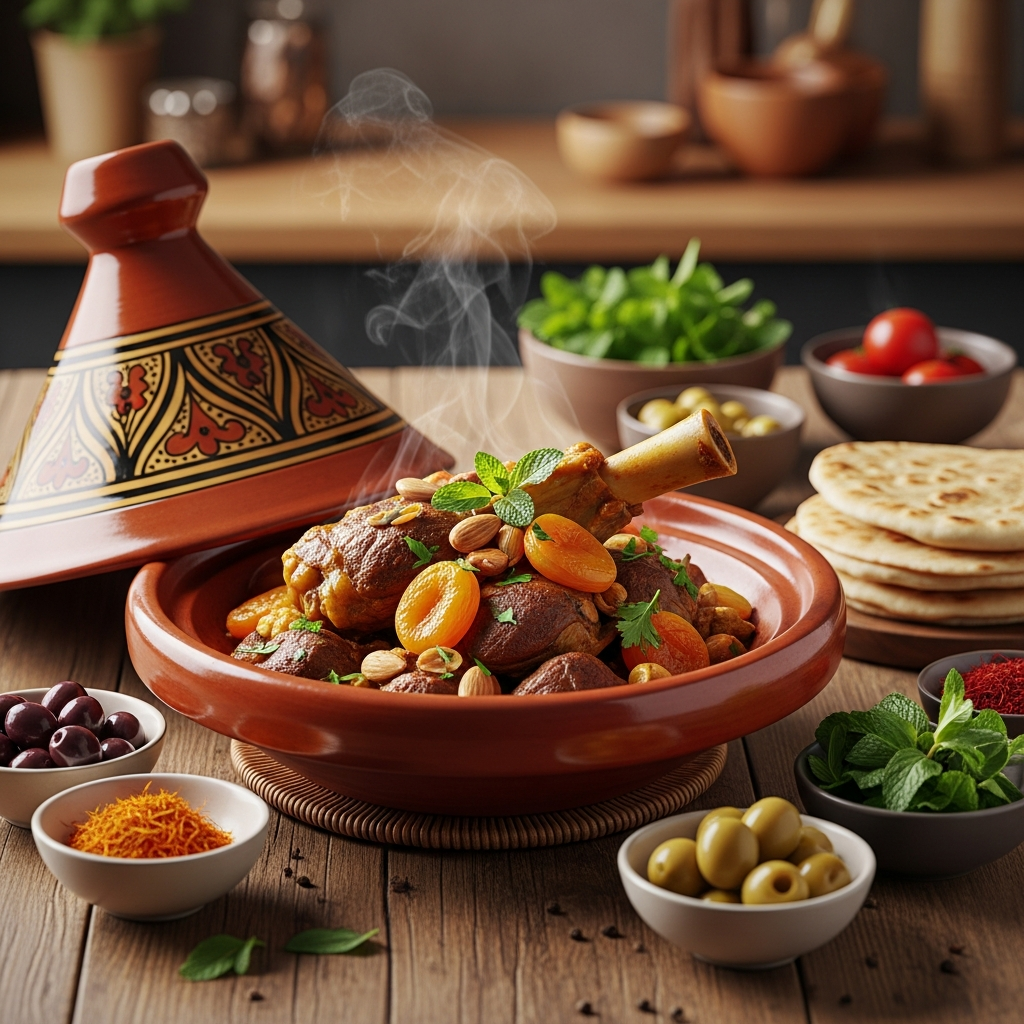
This recipe focuses on a lamb tagine with vegetables and dried apricots, a classic combination that showcases the best of Moroccan cuisine. Feel free to adapt it to your preferences by substituting the protein or vegetables.
Yields: 6-8 servings
Prep time: 30 minutes
Cook time: 2-3 hours
Ingredients:
2 lbs lamb shoulder or stew meat, cut into 1-inch cubes
2 tbsp olive oil
1 large onion, chopped
2 cloves garlic, minced
1-inch piece of ginger, grated
1 tsp ground turmeric
1 tsp ground cumin
1/2 tsp ground cinnamon
1/4 tsp saffron threads (optional)
1 tsp paprika
1/2 tsp ras el hanout (optional)
Salt and pepper to taste
2 cups lamb or chicken broth
1 (14.5 oz) can diced tomatoes, undrained
2 carrots, peeled and chopped
2 potatoes, peeled and cubed
1 zucchini, chopped
1 cup dried apricots
1/4 cup chopped fresh cilantro
1/4 cup chopped fresh parsley
Toasted almonds or sesame seeds for garnish (optional)
Honey for drizzling (optional)
Equipment:
Traditional tagine pot or Dutch oven
Instructions:
1. Prepare the Lamb: Season the lamb cubes generously with salt and pepper.
2. Sear the Lamb: Heat the olive oil in your tagine pot or Dutch oven over medium-high heat. Brown the lamb in batches, ensuring not to overcrowd the pot. This step is crucial for developing a rich, flavorful base. Remove the browned lamb and set aside.
3. Sauté the Aromatics: Add the chopped onion to the pot and sauté until softened, about 5-7 minutes. Add the minced garlic and grated ginger and cook for another minute until fragrant.
4. Bloom the Spices: Stir in the turmeric, cumin, cinnamon, saffron (if using), paprika, and ras el hanout (if using). Cook for 1-2 minutes, stirring constantly, until the spices release their aroma. This process, known as “blooming” the spices, enhances their flavor.
5. Combine the Ingredients: Return the browned lamb to the pot. Add the lamb or chicken broth and diced tomatoes. Bring to a simmer.
6. Add the Vegetables: Add the carrots and potatoes to the pot. Cover and simmer over low heat for 1 hour.
7. Add Remaining Vegetables and Apricots: Add the zucchini and dried apricots to the pot. Cover and continue to simmer for another hour, or until the lamb is very tender and the vegetables are cooked through.
8. Adjust Seasoning: Taste and adjust the seasoning with salt and pepper as needed. The tagine should be well-seasoned but not overly salty.
9. Garnish and Serve: Garnish with chopped fresh cilantro and parsley. If desired, sprinkle with toasted almonds or sesame seeds and drizzle with honey. Serve hot with couscous or crusty bread to soak up the delicious sauce.
Tips and Tricks for the Best Moroccan Tagine Recipe
Use High-Quality Lamb: The quality of the lamb will significantly impact the final flavor of the tagine. Look for lamb shoulder or stew meat with good marbling.
Don’t Skip the Searing: Searing the lamb before adding it to the pot is essential for developing a rich, flavorful base.
Low and Slow is Key: The slow cooking process is what makes a tagine so tender and flavorful. Resist the urge to rush the cooking time.
Adjust the Spices to Your Preference: Feel free to adjust the spices to your liking. If you prefer a spicier tagine, add a pinch of cayenne pepper or a small chili pepper.
Soak the Apricots: Soaking the dried apricots in warm water for 30 minutes before adding them to the tagine will plump them up and make them more tender.
Use a Heat Diffuser: If you’re using a traditional tagine pot on a stovetop, consider using a heat diffuser to prevent the bottom from scorching.
Don’t Overcrowd the Pot: Overcrowding the pot will lower the temperature and prevent the lamb from browning properly. Cook the lamb in batches if necessary.
Check the Liquid Level: Periodically check the liquid level in the pot and add more broth or water if needed to prevent the tagine from drying out.
Let it Rest: After cooking, let the tagine rest for 10-15 minutes before serving. This allows the flavors to meld together even further.
Make it Ahead: Tagines are often even better the next day, as the flavors have had more time to develop. You can prepare the tagine a day or two in advance and reheat it before serving.
Variations on the Classic Moroccan Tagine Recipe
The beauty of a tagine lies in its versatility. There are countless variations you can create by experimenting with different ingredients. Here are a few ideas:
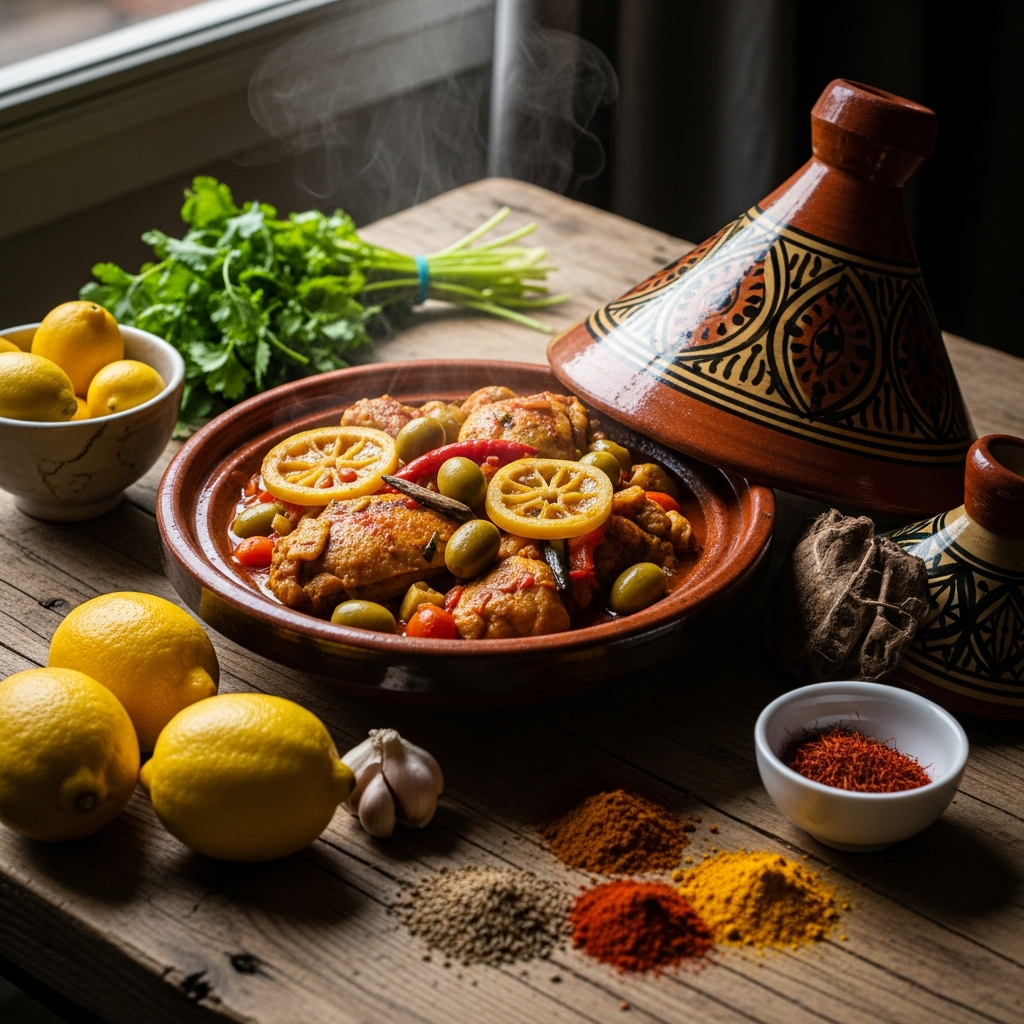
Chicken Tagine with Olives and Preserved Lemons: A classic combination with a tangy and savory flavor.
Vegetarian Tagine with Chickpeas and Butternut Squash: A hearty and flavorful vegetarian option.
Fish Tagine with Tomatoes and Peppers: A lighter and fresher tagine with a Mediterranean flair.
* Beef Tagine with Prunes and Almonds: A sweeter and richer tagine, perfect for a special occasion.
Embracing the Art of Tagine Cooking
Creating a Moroccan tagine recipe is more than just following a set of instructions; it’s about embracing the art of slow cooking and experimenting with flavors. Don’t be afraid to get creative and personalize the recipe to your own taste. With a little practice, you’ll be able to create a tagine that will impress your family and friends and transport them to the magical world of Moroccan cuisine. So gather your ingredients, fire up your tagine pot (or Dutch oven), and embark on a culinary adventure that will tantalize your taste buds and warm your soul. Enjoy!