
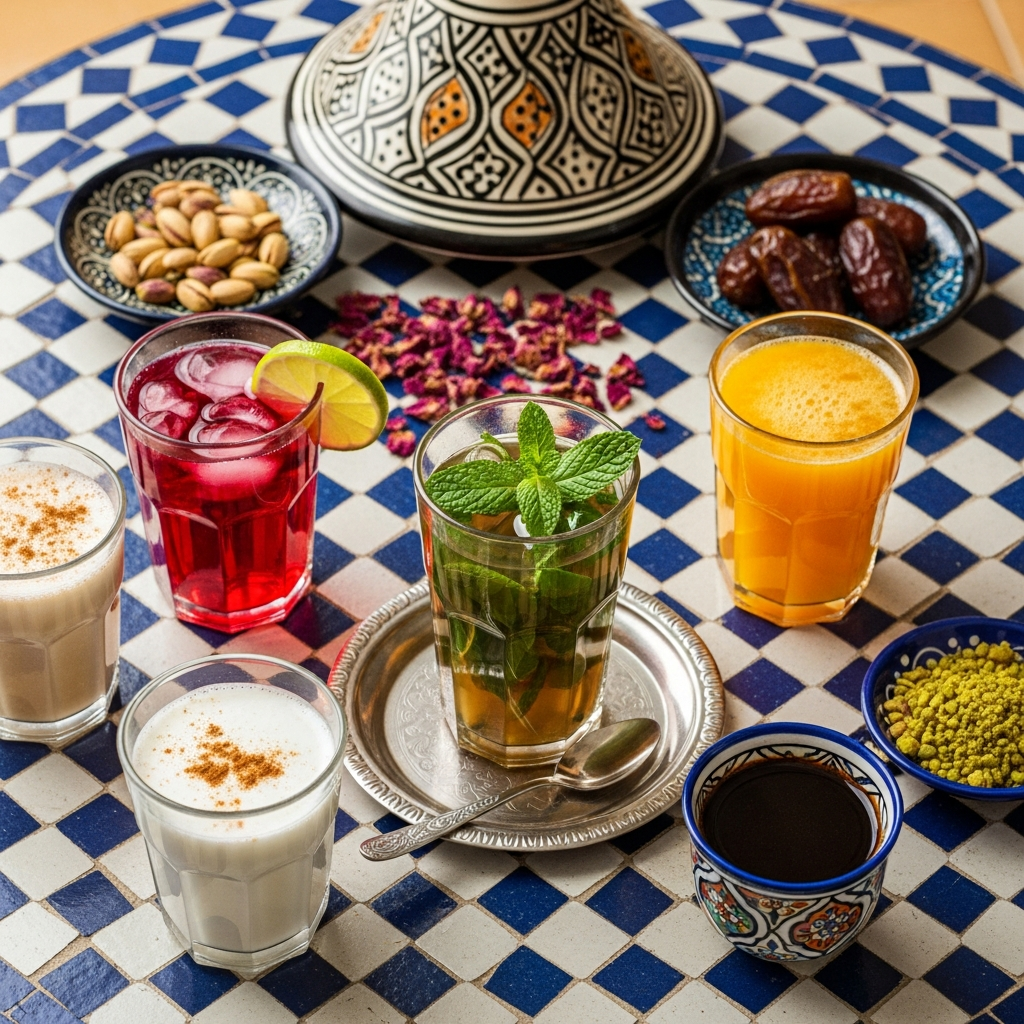

Moroccan Drinks: The Best Tourist’s Guide to Must-Try Refreshments
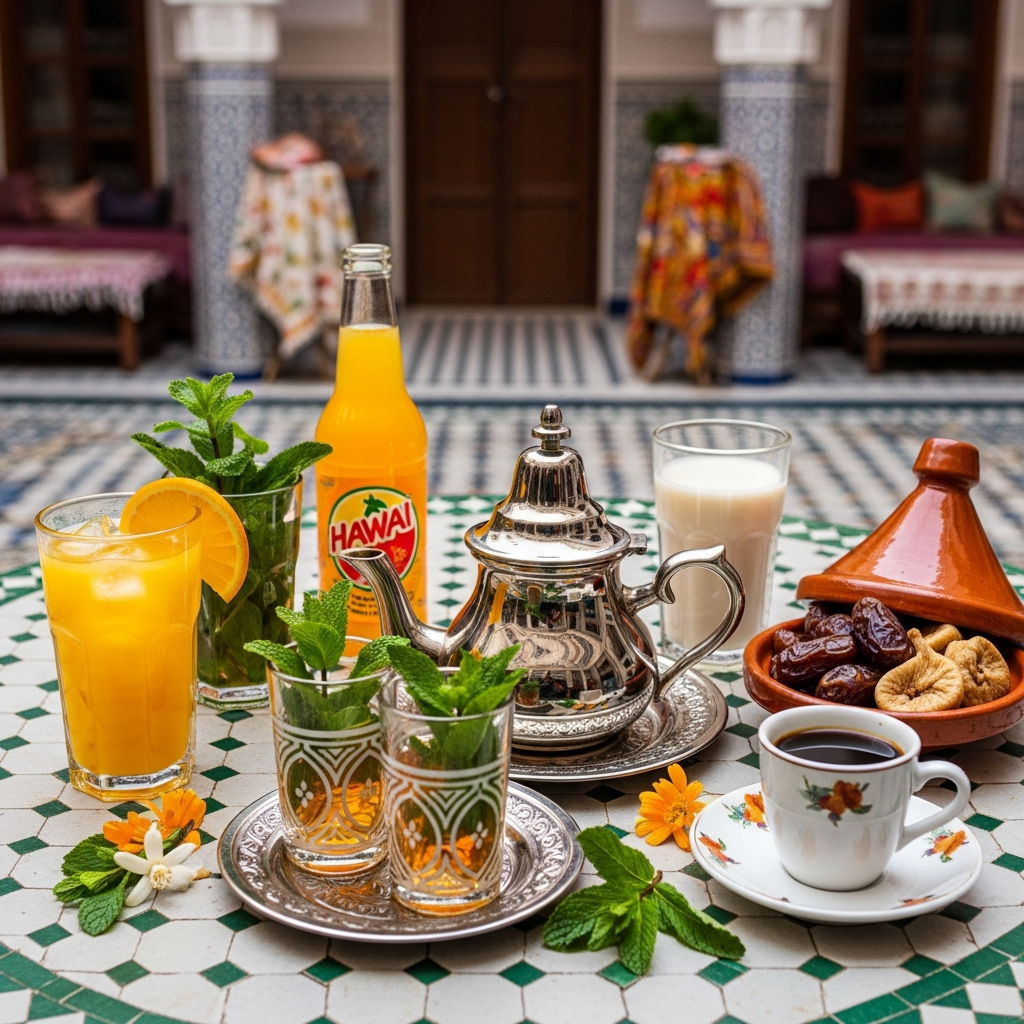
- Moroccan Drinks: The Best Tourist’s Guide to Must-Try Refreshments
- Mint Tea: The Heart of Moroccan Hospitality
- Beyond Mint Tea: Exploring Other Traditional Moroccan Drinks
- Fresh Fruit Juices: A Burst of Moroccan Sunshine
- Regional Specialties: Discovering Unique Moroccan Beverages
- Understanding the Role of Drinks in Moroccan Culture
- Navigating the Beverage Scene: Tips for Tourists
Moroccan drinks are an integral part of the nation’s culture, hospitality, and social life. More than just quenching your thirst, they offer a glimpse into the traditions and flavors that make Morocco unique. From the ubiquitous mint tea to refreshing fruit juices and intriguing regional specialties, exploring the world of Moroccan beverages is a delicious adventure for any traveler. This guide will lead you through the must-try refreshments you’ll encounter during your visit, helping you navigate the vibrant culinary landscape and savor the authentic taste of Morocco.
Mint Tea: The Heart of Moroccan Hospitality
No exploration of Moroccan drinks would be complete without an in-depth look at mint tea, or “Atay” as it’s known locally. This isn’t just a beverage; it’s a ritual, a symbol of welcome, and a cornerstone of social interaction. You’ll be offered mint tea everywhere – from bustling souks and riads to family homes and roadside cafes. Refusing it is considered impolite, so embrace the tradition and enjoy the sweet, minty goodness.
The preparation of Moroccan mint tea is an art form in itself. It typically involves Chinese gunpowder green tea, fresh spearmint leaves, and a generous amount of sugar. The tea is brewed multiple times, poured from a height to create a frothy head, and served in ornate glasses. The higher the pour, the more respect being shown to the guest.
The taste is a delicate balance of bitter tea, refreshing mint, and intense sweetness. Each sip is a burst of flavor that awakens the senses and leaves a lingering sweetness on the palate. Don’t be surprised if you find yourself addicted to this sweet concoction!
Tips for Enjoying Mint Tea:
Accept the Offer: As mentioned, refusing mint tea is often seen as impolite. Even if you don’t usually take sugar in your tea, try it as it’s served.
Observe the Ritual: Pay attention to the way the tea is poured and presented. It’s a window into Moroccan culture.
Take Your Time: Mint tea is meant to be savored and enjoyed at a leisurely pace. Relax and soak in the atmosphere.
Don’t Be Afraid to Ask for Less Sugar: If you find the tea too sweet, it’s perfectly acceptable to politely request less sugar in your next cup.
Different Regions, Different Flavors: While spearmint is the most common type used, some regions may add other herbs like wormwood or pennyroyal for a more complex flavor profile.
Beyond Mint Tea: Exploring Other Traditional Moroccan Drinks
While mint tea reigns supreme, Morocco boasts a variety of other traditional beverages worth exploring. These drinks offer unique flavors and insights into the country’s regional specialties.
Coffee (Qahwa): Coffee is another popular beverage, particularly strong, dark espresso. You’ll find it served in small cups, often flavored with spices like cardamom or cinnamon.
Spiced Milk (Haleeb): A comforting and warming drink, Haleeb is made with milk infused with spices like ginger, cinnamon, and nutmeg. It’s often enjoyed during colder months.
Almond Milk (Loz): Made from ground almonds, water, and sometimes honey or dates, almond milk is a refreshing and nutritious drink, particularly popular during Ramadan.
Raisin Water (Zbib): This simple yet flavorful drink is made by soaking raisins in water. The resulting liquid is slightly sweet and refreshing.
Orange Blossom Water: While not consumed on its own, orange blossom water is frequently used to flavor desserts and add a delicate floral aroma to drinks.
Fresh Fruit Juices: A Burst of Moroccan Sunshine
Morocco’s fertile land and sunny climate produce a bounty of delicious fruits, making fresh fruit juices a refreshing and readily available option. You’ll find juice vendors on almost every street corner, offering a variety of seasonal blends.
Orange Juice (Asir Limoun): Perhaps the most popular and widely available juice, fresh orange juice is a must-try. The oranges are incredibly sweet and flavorful, making for a truly refreshing beverage.
Pomegranate Juice (Asir Rouman): Pomegranates are abundant in Morocco, and their juice is a vibrant and antioxidant-rich treat.
Lemon Juice (Asir Limoun Bel Mint): A zesty and refreshing combination of lemon juice and mint, often sweetened with a touch of sugar.
Avocado Juice (Asir Avocado): This might sound unusual, but avocado juice is surprisingly delicious. It’s often blended with milk, sugar, and sometimes dates for a creamy and satisfying drink.
Mixed Fruit Juices: Don’t be afraid to experiment with mixed fruit juices. Many vendors will create custom blends based on your preferences.
Tips for Ordering Fruit Juice:
Specify Freshly Squeezed: To ensure you’re getting the real deal, ask for “Asir Taza” (fresh juice).
Adjust the Sweetness: Let the vendor know if you prefer your juice with less sugar.
Check for Cleanliness: Observe the vendor’s hygiene practices before ordering.
Regional Specialties: Discovering Unique Moroccan Beverages
Venturing beyond the well-known Moroccan drinks reveals a treasure trove of regional specialties. These beverages often reflect the unique ingredients and traditions of specific areas.
Rai Bi (Yogurt Drink): Popular in the Rif Mountains, Rai Bi is a thick, fermented milk drink similar to yogurt. It’s often flavored with honey or fruit and is a staple in Berber households.
Date Milk (Haleeb Bel Tamar): Dates are a significant part of Moroccan cuisine, and date milk is a delicious way to enjoy their sweetness. It’s particularly popular in the Draa Valley, known for its date palm groves.
Fig Juice (Asir Tin): Figs are another fruit that thrives in Morocco, and fig juice is a unique and flavorful drink, often found in regions where figs are cultivated.
Argan Oil Infused Water: In the Sous Valley, known for its argan trees, you might find water infused with a few drops of argan oil. This adds a subtle nutty flavor and is believed to have health benefits.
Understanding the Role of Drinks in Moroccan Culture
Moroccan drinks, particularly mint tea, play a vital role in social interactions and hospitality. Sharing a drink is a way to build relationships, show respect, and create a welcoming atmosphere.
Hospitality: Offering a drink to guests is a fundamental aspect of Moroccan hospitality. It’s a sign of goodwill and a way to make visitors feel comfortable.
Social Gatherings: Drinks are often central to social gatherings, from family meals to casual conversations with friends. They provide a focal point for interaction and create a sense of community.
Tradition: The preparation and consumption of traditional drinks are steeped in tradition, passed down through generations. This helps to preserve Moroccan cultural heritage.
Ritual: The ritual of brewing and serving mint tea, in particular, is a symbol of respect and hospitality. The careful preparation and presentation demonstrate the importance of the guest’s presence.
Navigating the Beverage Scene: Tips for Tourists
Be Adventurous: Don’t be afraid to try new and unfamiliar Moroccan drinks. Ask locals for recommendations and step outside your comfort zone.
Learn a Few Basic Phrases: Knowing how to order drinks in Arabic or French will enhance your experience and show respect for the local culture.
Be Mindful of Hygiene: Choose reputable establishments and observe the vendor’s hygiene practices, especially when purchasing street food and drinks.
Stay Hydrated: Morocco can be hot, especially during the summer months. Drink plenty of water and stay hydrated throughout the day.
* Enjoy the Experience: Embrace the opportunity to explore the world of Moroccan beverages. Each drink tells a story and offers a unique taste of the country’s culture.
In conclusion, exploring the world of Moroccan drinks is a delightful journey into the heart of Moroccan culture. From the ubiquitous mint tea to the refreshing fruit juices and intriguing regional specialties, there’s a beverage to suit every taste and occasion. So, raise a glass (or a teacup) and savor the authentic flavors of Morocco!