

Chefchaouen Guide: Stunning Blue City – Best Spots & Photo Tips
- Chefchaouen Guide: Stunning Blue City – Best Spots & Photo Tips
- Understanding Chefchaouen: More Than Just a Pretty Face
- Planning Your Trip: When to Go and How to Get There
- Navigating the Blue Medina: A Chefchaouen Guide to the Heart of the City
- Must-See Spots and Hidden Gems
- Capturing the Blue: Photo Tips for Chefchaouen
- Chefchaouen Guide: Accommodation and Food
- Respectful Travel in Chefchaouen
- Beyond the Blue Walls: Activities Outside the City
- Final Thoughts: Creating Lasting Memories in Chefchaouen
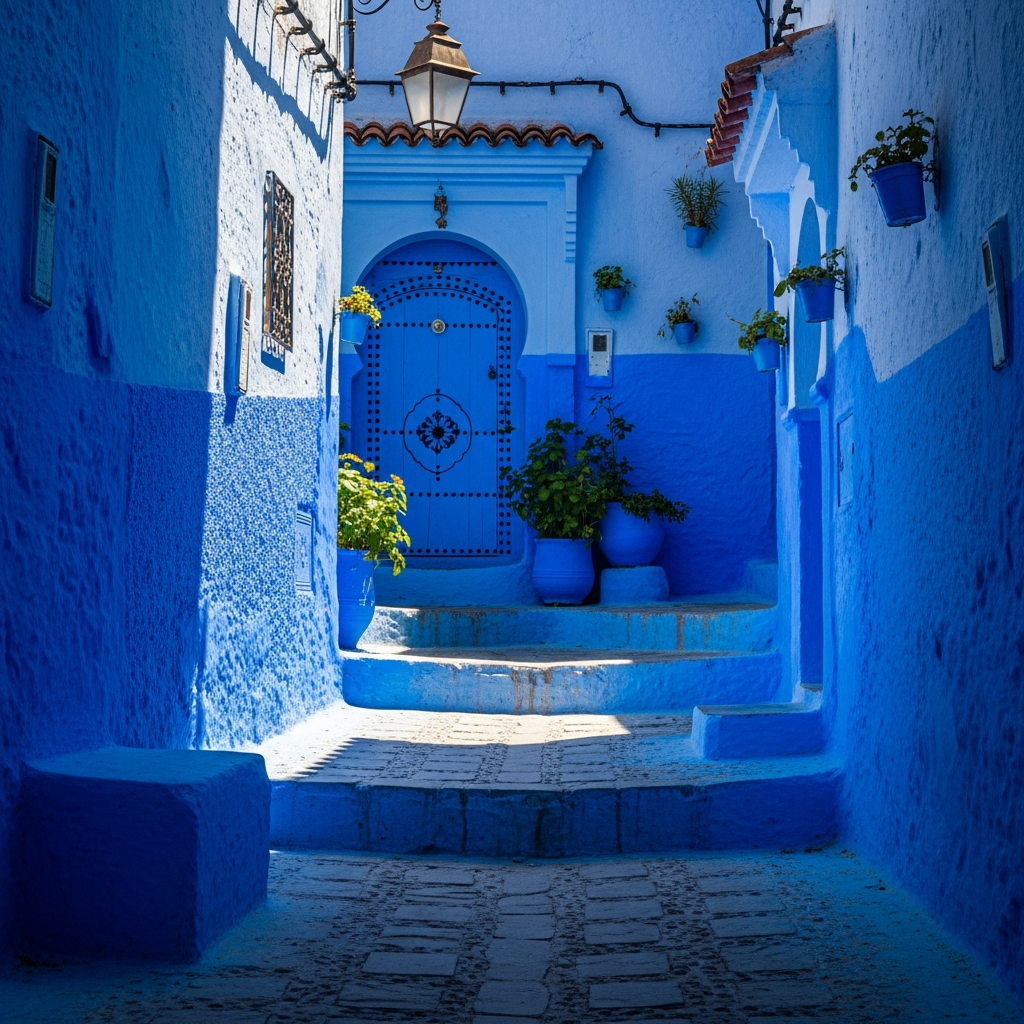
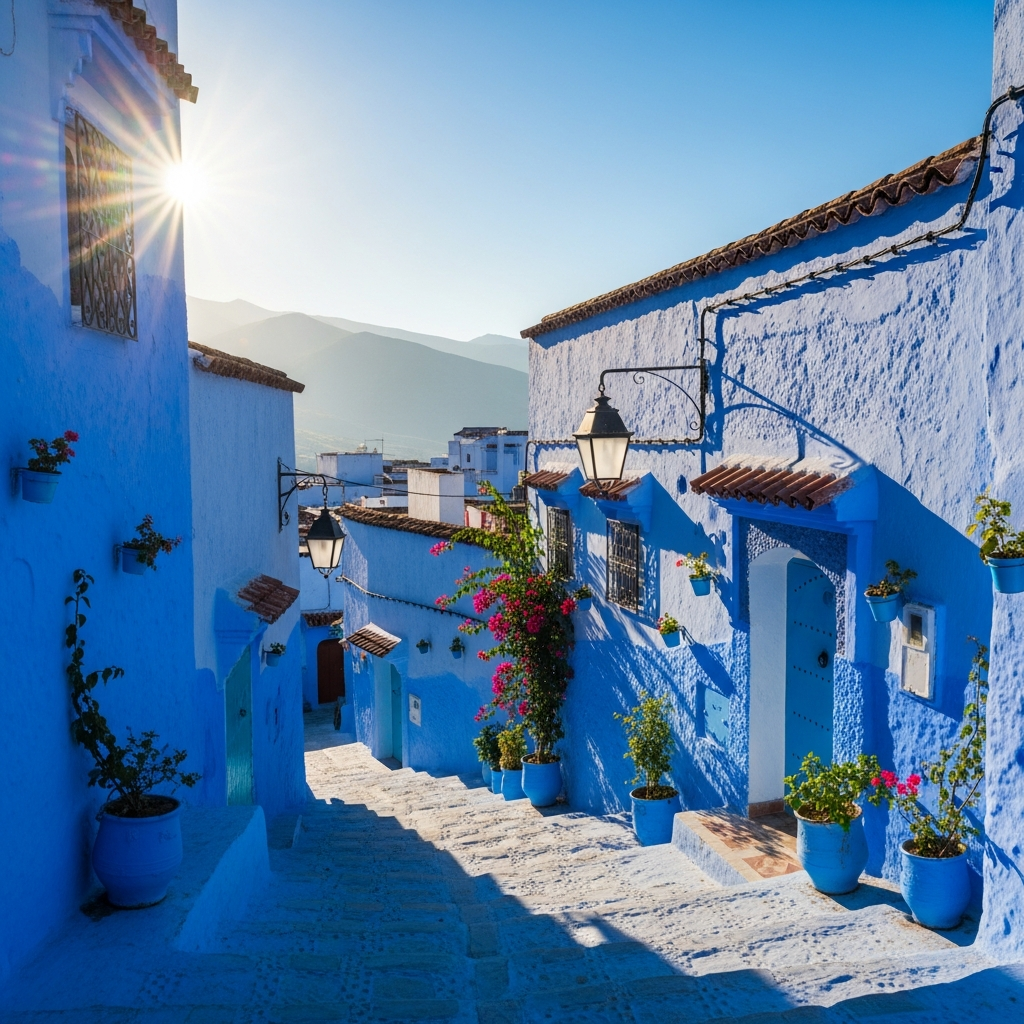
Chefchaouen, a small city nestled in the Rif Mountains of Morocco, is an experience unlike any other. Instantly recognizable by its striking blue-washed buildings, it draws visitors from around the globe eager to wander its labyrinthine alleys, soak in its tranquil atmosphere, and capture its unique beauty through photography. This comprehensive Chefchaouen guide will equip you with everything you need to plan the perfect trip, from navigating the medina to finding the best viewpoints and capturing the most stunning photos.
Understanding Chefchaouen: More Than Just a Pretty Face
While the vibrant blue hue is undoubtedly Chefchaouen’s defining characteristic, it’s important to remember that this city is more than just a picturesque backdrop. Founded in 1471, Chefchaouen served as a refuge for Muslims and Jews fleeing persecution in Spain. The Jewish community, in particular, is credited with introducing the tradition of painting buildings blue, with varying theories explaining the practice. Some believe it symbolizes the sky and heaven, reminding inhabitants of God’s power, while others suggest it was used to repel mosquitoes. Whatever the reason, the result is a mesmerizing visual tapestry that has captivated travelers for centuries.
Beyond its aesthetics, Chefchaouen offers a glimpse into authentic Moroccan life. The locals are known for their warmth and hospitality, and the pace of life is refreshingly slow. You’ll find artisan workshops brimming with handcrafted goods, fragrant spice markets, and cozy cafes serving traditional Moroccan cuisine. It’s a place to wander, to get lost, to engage with the culture, and to disconnect from the hustle and bustle of modern life.
Planning Your Trip: When to Go and How to Get There
Choosing the right time to visit Chefchaouen can significantly impact your experience.
Shoulder Seasons (April-May & September-October): These months offer the best balance of pleasant weather and fewer crowds. Temperatures are mild, making it comfortable to explore the city on foot, and the reduced number of tourists allows for a more authentic experience.
Summer (June-August): Summer can be hot, especially during the day. However, the evenings are cooler, and the city comes alive with activity. Be prepared for larger crowds and higher prices.
Winter (November-March): Winter in Chefchaouen can be chilly, with occasional rain. However, it’s also the quietest time to visit, offering a more intimate experience. The surrounding mountains may even be dusted with snow, adding to the city’s beauty.
Getting to Chefchaouen:
From Tangier: The most common route is from Tangier, a major port city with an international airport. CTM and private buses offer frequent services, taking approximately 2.5-3 hours. Grand taxis (shared taxis) are also an option, but they can be more expensive.
From Fes: Fes is another popular starting point. CTM buses take around 4-5 hours to reach Chefchaouen. Alternatively, you can hire a private taxi for a more comfortable and direct journey.
From other cities: You can also reach Chefchaouen from cities like Casablanca and Marrakech, but these journeys involve longer travel times and may require transfers.
Navigating the Blue Medina: A Chefchaouen Guide to the Heart of the City
The heart of Chefchaouen is its medina, a UNESCO World Heritage site. Getting lost in its labyrinthine alleys is part of the charm, but having a general sense of direction can be helpful.
Bab El-Ain: This is the main gate leading into the medina. It’s a good starting point for your exploration.
Plaza Uta el-Hammam: This central square is the social and commercial hub of Chefchaouen. Here, you’ll find the Kasbah, the Grand Mosque, and numerous cafes and restaurants.
Kasbah: This restored fortress offers panoramic views of the city and houses a small ethnographic museum.
Grand Mosque: While non-Muslims are not permitted to enter, the mosque’s distinctive octagonal minaret is a striking landmark.
Ras El Maa Waterfall: Located just outside the medina, this natural spring is a popular spot for locals to gather and wash clothes. It’s a refreshing escape from the city’s bustle.
Spanish Mosque: Perched on a hilltop overlooking Chefchaouen, the Spanish Mosque offers unparalleled views of the city, especially at sunset. It’s a 30-45 minute hike from the medina.
When exploring the medina, be prepared to haggle when shopping. Bargaining is a common practice in Morocco, and it’s expected in the souks (markets). Don’t be afraid to negotiate a fair price for souvenirs, textiles, and other goods.
Must-See Spots and Hidden Gems
Beyond the main attractions, Chefchaouen is full of hidden gems waiting to be discovered.
The Laundry Area by Ras El Maa: Observe the local women washing clothes by the waterfall. It’s a scene that perfectly captures the daily life of the city.
Explore the Tanneries: Similar to those in Fes, Chefchaouen has its own smaller tanneries. Be warned, the smell can be strong!
Find the Colorful Staircases: Chefchaouen is famous for its creatively painted staircases, perfect for unique photo opportunities.
Artisan Workshops: Peek into workshops where local artisans create traditional crafts, from weaving rugs to carving wood.
Riad Shopping: Many Riads (traditional Moroccan houses) have shops where you can purchase locally made goods without the pressure of the souks.
Capturing the Blue: Photo Tips for Chefchaouen
Chefchaouen is a photographer’s paradise. Here are some tips to help you capture the city’s beauty:
Golden Hour: The hour after sunrise and the hour before sunset offer the best light for photography. The soft, warm light accentuates the blue hues and creates a magical atmosphere.
Overcast Days: Surprisingly, overcast days can also be excellent for photography in Chefchaouen. The diffused light evenly illuminates the city, bringing out the subtle variations in the blue shades.
Wide-Angle Lens: A wide-angle lens is ideal for capturing the narrow streets and towering buildings of the medina.
Telephoto Lens: A telephoto lens can be useful for isolating details, such as the colorful doors and intricate patterns on the walls.
Composition: Pay attention to composition. Use leading lines to draw the viewer’s eye through the scene. Experiment with different angles and perspectives.
People Photography: Ask for permission before taking photos of locals. A simple “Salam” (peace) and a friendly gesture can go a long way.
Early Morning Exploration: Wake up early to explore the medina before the crowds arrive. This is the best time to capture the city in its most peaceful and photogenic state.
Spanish Mosque Viewpoint: Make the hike up to the Spanish Mosque for the ultimate panoramic shots of the entire blue city, especially breathtaking at sunset.
Chefchaouen Guide: Accommodation and Food
Chefchaouen offers a range of accommodation options to suit all budgets, from budget-friendly guesthouses to luxurious riads.
Riads: These traditional Moroccan houses offer a unique and authentic experience. Many riads have beautiful courtyards, rooftop terraces, and personalized service.
Guesthouses: Guesthouses are a more affordable option, offering simple but comfortable rooms.
Hotels: There are also a few hotels located outside the medina, offering modern amenities and larger rooms.
When it comes to food, Chefchaouen offers a delicious array of Moroccan cuisine.
Tagine: This slow-cooked stew is a Moroccan staple. Try the lamb tagine with prunes and almonds, or the vegetable tagine for a vegetarian option.
Couscous: Another Moroccan classic, couscous is typically served with meat and vegetables.
B’ssara: This hearty bean soup is a popular breakfast dish in Chefchaouen.
Mint Tea: No trip to Morocco is complete without trying traditional mint tea. It’s served throughout the day and is a symbol of hospitality.
Street Food: Don’t miss out on the street food! Try grilled meats, pastries, and fresh juices from the local vendors.
Respectful Travel in Chefchaouen
When visiting Chefchaouen, it’s important to be a respectful traveler. Dress modestly, especially when visiting religious sites. Learn a few basic Arabic phrases to show respect for the local culture. Be mindful of your surroundings and avoid excessive noise or disruptive behavior. Support local businesses and artisans by purchasing their products. And most importantly, be open to experiencing the culture and connecting with the people of Chefchaouen.
Beyond the Blue Walls: Activities Outside the City
While the blue medina is the main draw, there are also several activities to enjoy outside the city walls.
Hiking in the Rif Mountains: Chefchaouen is surrounded by the stunning Rif Mountains, offering numerous hiking opportunities. Hire a local guide to explore the trails and discover hidden waterfalls and panoramic viewpoints.
Akchour Waterfalls: Located a short drive from Chefchaouen, the Akchour Waterfalls are a popular destination for hiking and swimming.
God’s Bridge: This natural rock formation spans the Akchour River, offering a unique and breathtaking sight.
* Cannabis Farms: While not officially encouraged, Chefchaouen is located in a region known for its cannabis production. Be aware of the laws and regulations regarding cannabis use in Morocco.
Final Thoughts: Creating Lasting Memories in Chefchaouen
Chefchaouen is more than just a pretty city; it’s a place where you can immerse yourself in Moroccan culture, connect with friendly locals, and create lasting memories. With careful planning and a spirit of adventure, you can make the most of your visit and discover the magic of this stunning blue city. This Chefchaouen guide is designed to provide you with the tools and information you need to navigate, explore, and appreciate all that Chefchaouen has to offer. So pack your bags, grab your camera, and get ready to experience the enchanting world of Chefchaouen.