
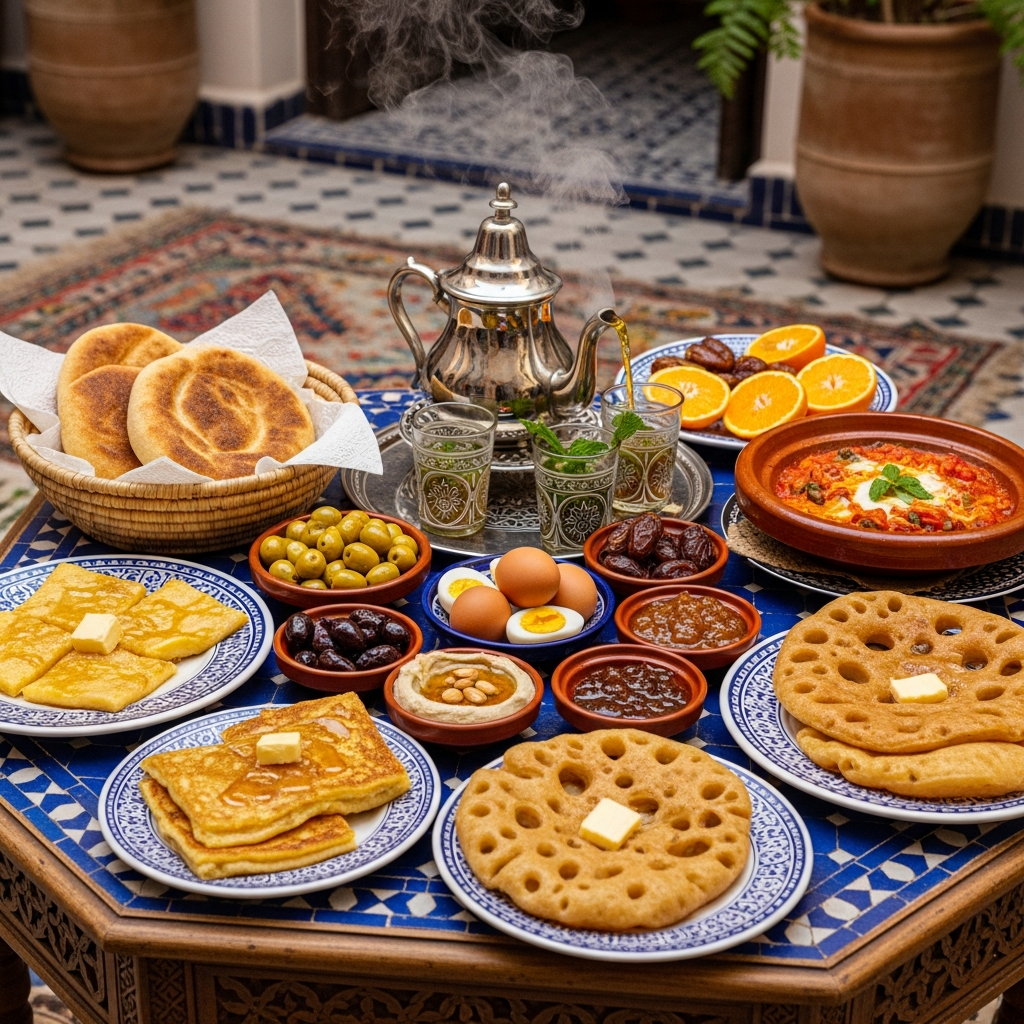
Moroccan Breakfast Ideas: Delicious & Authentic Spread You Must Try!
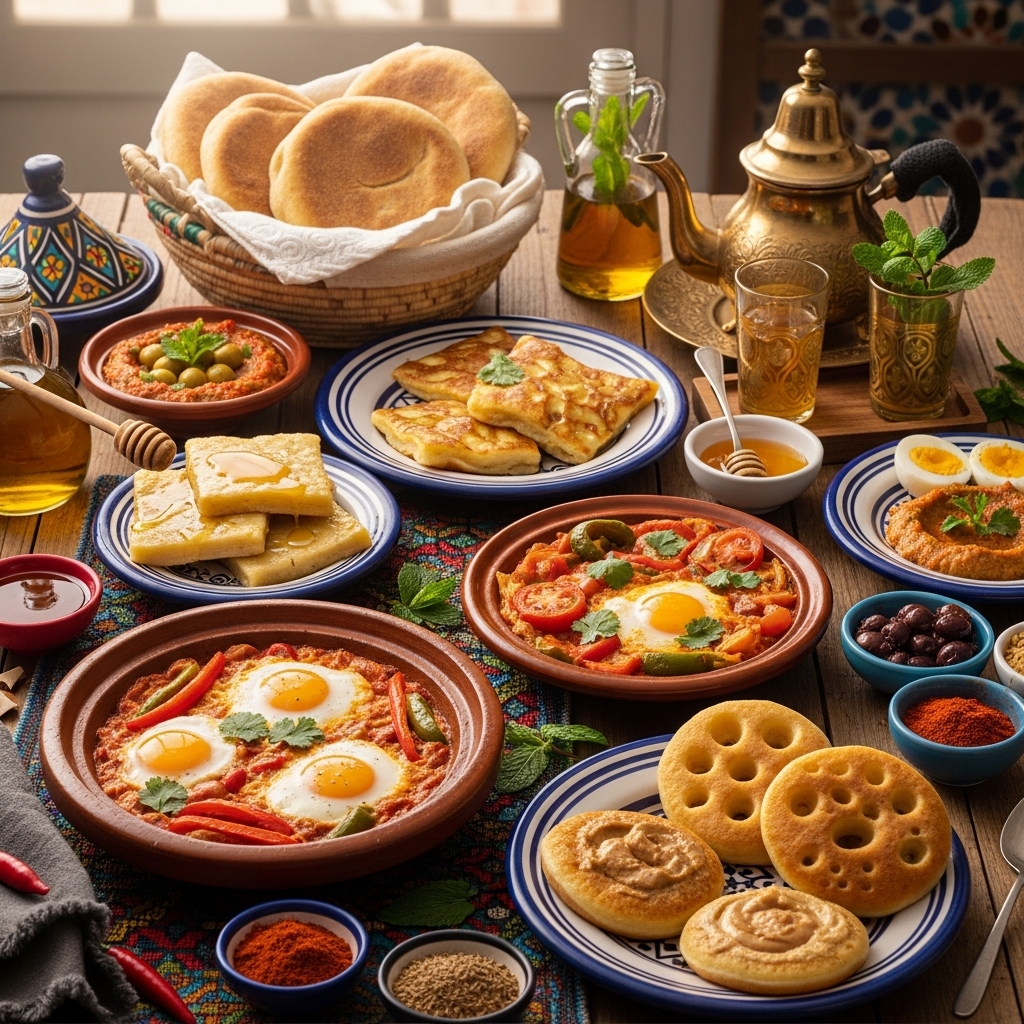
Moroccan breakfast ideas often conjure images of vibrant colors, intoxicating aromas, and a communal gathering around a table laden with delightful treats. It’s more than just a meal; it’s a ritual, a moment to connect with family and friends before the day’s activities begin. Forget your usual toast and cereal – prepare to embark on a culinary journey to North Africa and discover a spread that will tantalize your taste buds and leave you feeling energized and ready to conquer the day.
Moroccan cuisine is renowned for its bold flavors, fragrant spices, and the clever combination of sweet and savory elements. This richness extends to breakfast, where a variety of breads, pastries, dips, and beverages come together to create a truly unforgettable experience. The beauty of a Moroccan breakfast lies in its versatility – you can opt for a simple and quick repast or indulge in a more elaborate spread depending on your mood and the occasion.
Let’s dive into some of the most delicious and authentic components of a traditional Moroccan breakfast, offering you inspiration to recreate this experience in your own home.
The Foundation: Breads
Bread is the cornerstone of any Moroccan meal, and breakfast is no exception. You’ll find a variety of options, each with its own unique texture and flavor. Here are some must-try breads to include in your Moroccan breakfast spread:
Khobz: This is the quintessential Moroccan bread, a round, slightly flattened loaf with a slightly chewy crust and a soft, airy interior. It’s perfect for scooping up dips, jams, and honey. Khobz is a staple and a symbol of Moroccan hospitality.
Msemen: These are flaky, buttery flatbreads made from semolina flour. They are pan-fried until golden brown and have a slightly crisp exterior and a soft, layered interior. Msemen can be eaten plain, dipped in honey or amlou (a delicious almond and argan oil spread), or even stuffed with savory fillings like onions and herbs.
Harcha: Similar to cornbread, harcha is made from semolina flour and cooked on a griddle or pan. It has a slightly crumbly texture and a subtly sweet flavor. Harcha is often served with butter, jam, or cheese.
Baghrir (Thousand Hole Pancakes): These unique pancakes are characterized by their numerous tiny holes that form during cooking. Baghrir are incredibly light and spongy and are typically served with a syrup made from honey and melted butter. They are a true delight to the palate.
Briouats (Savory Pastries): Although more commonly associated with appetizers or snacks, small, savory briouats filled with cheese, vegetables, or meat can be a welcome addition to a more substantial Moroccan breakfast. Their crispy exterior and flavorful filling offer a contrast in textures and tastes.
Sweet Treats: Jams, Honey, and More
No Moroccan breakfast is complete without a touch of sweetness. Here’s where you can let your creativity shine and offer a variety of options to satisfy your sweet tooth:
Honey: Moroccan honey is known for its rich flavor and floral notes. It’s often drizzled over bread, pancakes, or used to sweeten tea. Different regions of Morocco produce honey with unique characteristics, so try to sample a variety if you can.
Jams and Preserves: Homemade jams made from seasonal fruits like figs, apricots, and oranges are a common sight on the Moroccan breakfast table. These add a burst of fruity flavor to the meal.
Amlou: This luxurious spread, made from roasted almonds, argan oil, and honey, is a true Moroccan delicacy. It has a smooth, creamy texture and a rich, nutty flavor. Amlou is often served with bread or msemen and is considered a healthy and nutritious treat.
Nutella or Chocolate Spread: While not traditionally Moroccan, the inclusion of Nutella or a similar chocolate spread is increasingly common, especially among younger generations. It provides a familiar and comforting option for those who prefer a more modern touch.
Savory Delights: Cheeses, Olives, and Eggs
A balance of sweet and savory is key to a satisfying Moroccan breakfast. These savory elements add depth and complexity to the meal:
Cheeses: A variety of cheeses, both fresh and aged, are often served. Soft, creamy cheeses like جبنة (jibneh) are popular, as are hard cheeses with a more pronounced flavor.
Olives: A selection of olives, both green and black, marinated in herbs and spices, is a staple of Moroccan cuisine. They provide a salty and briny counterpoint to the sweetness of the jams and honey.
Hard-boiled Eggs: Simple but satisfying, hard-boiled eggs are a common addition to the Moroccan breakfast table. They provide a source of protein and can be seasoned with salt, pepper, or cumin.
Tagine: While traditionally a lunch or dinner dish, a smaller portion of a vegetable or egg tagine can be served as part of a more elaborate breakfast spread. The rich flavors and aromatic spices of the tagine will awaken your senses.
Moroccan Breakfast Ideas: Beverages to Quench Your Thirst
No breakfast is complete without something to drink. Morocco offers a variety of refreshing and flavorful beverages to accompany your meal:
Mint Tea (Atay): This is the quintessential Moroccan beverage. It’s made with green tea, fresh mint leaves, and sugar. The preparation of mint tea is an art form, and it’s often served in ornate glasses. It is usually poured from a height to create a frothy top.
Coffee (Qahwa): Coffee is also a popular choice, often served strong and black. You can also find coffee variations with milk or spices.
Orange Juice: Freshly squeezed orange juice is a refreshing and healthy option, especially during the warmer months. Morocco is known for its delicious oranges, so be sure to try some if you have the opportunity.
Lban (Buttermilk): This tangy and refreshing yogurt drink is a traditional Moroccan beverage, particularly popular during Ramadan. It is a great source of probiotics and helps to balance the sweetness of the other breakfast items.
Creating Your Own Authentic Moroccan Breakfast
Now that you’re familiar with the key components of a Moroccan breakfast, it’s time to create your own authentic spread. Here are some tips to help you get started:
Start with the basics: Begin with khobz or another type of bread, honey, and mint tea.
Add a touch of sweetness: Include some jam, amlou, or other sweet spread.
Don’t forget the savory: Offer a selection of cheeses, olives, and eggs.
Experiment with different flavors: Try adding spices like cumin, coriander, and paprika to your dishes.
Use fresh, high-quality ingredients: The better the ingredients, the more flavorful your breakfast will be.
Embrace the communal aspect: A Moroccan breakfast is best enjoyed with family and friends. Gather around the table, share stories, and savor the experience.
Consider the occasion: Are you making this for a weekday quick bite or a weekend celebration? Adjust the quantity and variety of items accordingly. A simple weekday breakfast might consist of khobz, amlou, and mint tea, while a weekend feast could include all the elements mentioned above.
Beyond the Basics: Elevated Moroccan Breakfast Ideas
Looking to take your Moroccan breakfast to the next level? Here are some additional ideas:
Fruit Salad: A colorful and refreshing fruit salad with seasonal fruits like oranges, grapes, and figs can add a healthy and vibrant touch to your spread.
Spiced Yogurt: Plain yogurt seasoned with spices like cinnamon, ginger, and nutmeg can be a delicious and healthy alternative to jams and honey.
Besara (Fava Bean Soup): This hearty and flavorful soup is often eaten for breakfast in Morocco, especially during the colder months. It’s made with dried fava beans, garlic, olive oil, and spices.
Rfissa: While more commonly served for special occasions, a simplified version of Rfissa (chicken and lentils simmered in a flavorful broth and served over shredded msemen) could be a truly memorable breakfast experience.
* Invest in Traditional Serveware: Serving your Moroccan breakfast on traditional tagines, platters, and tea sets will enhance the visual appeal and authenticity of your meal.
By incorporating these Moroccan breakfast ideas into your repertoire, you can transport yourself and your loved ones to the vibrant and flavorful world of Moroccan cuisine. Enjoy the experience!